
Home Blog Page 2

The Long Recovery Road Pedestrian Accident Victims Face

0

Pedestrian accidents in Indianapolis rarely end when the emergency room visit is over. For many injured pedestrians, the real challenge begins in the days and weeks after the crash, when pain intensifies, mobility is limited, and the reality of a long recovery sets in. Unlike vehicle occupants, pedestrians often suffer widespread trauma that affects multiple parts of the body, making recovery slow and unpredictable.
The recovery process can be physically, emotionally, and financially exhausting. Simple tasks such as walking, working, or caring for family members may suddenly become difficult or impossible. Many injured pedestrians only begin to understand the scope of their recovery after speaking with pedestrian accident lawyers in Indianapolis who recognize how long and complex these cases often become.
Vaughn A. Wamsley regularly represents Indianapolis pedestrians whose injuries require months or even years of treatment. Understanding what the recovery road looks like helps injured individuals prepare for what lies ahead and avoid decisions that can jeopardize long-term stability.

Why pedestrian recovery takes so long

Pedestrian injuries are rarely isolated to a single body part. When a vehicle strikes a person on foot, the force is distributed across the body in unpredictable ways.
• Initial impact often causes lower-body injuries, such as fractures to the legs or pelvis, which can limit mobility immediately and require surgical repair. Healing these injuries alone can take months.
• Secondary impact with the hood, windshield, or pavement frequently causes head, neck, and spinal injuries. These injuries often require extended monitoring and ongoing treatment.
• Soft tissue damage, including muscle tears and ligament injuries, may not appear on imaging but can significantly affect strength and movement over time.

The early phase of recovery

The first phase of recovery typically focuses on stabilization and pain control. During this period, injured pedestrians are often overwhelmed by medical appointments and uncertainty.
• Emergency care addresses life-threatening injuries, but follow-up care is almost always required. Many injuries become clearer only after swelling subsides.
• Pain management during this phase may involve medication, activity restrictions, and referrals to specialists.
• Limited mobility often requires assistance from family members, disrupting everyday routines and independence.

Rehabilitation and physical therapy

Rehabilitation is a central component of pedestrian accident recovery and often lasts far longer than expected.
• Physical therapy focuses on restoring strength, balance, and range of motion. Sessions may continue for months, especially after fractures or spinal injuries.
• Occupational therapy may be necessary when injuries interfere with daily activities such as dressing, driving, or working.
• Progress is rarely linear. Setbacks due to pain flare-ups or complications are common and can extend recovery timelines.

Emotional challenges during recovery

The emotional toll of a pedestrian accident is often underestimated. Recovery is not only physical.
• Anxiety and fear are common, especially when returning to walking near traffic or crossing streets.
• Depression may develop as injured pedestrians struggle with pain, loss of independence, or inability to work.
• Frustration often arises when recovery progresses more slowly than expected.

Mental health support is sometimes needed alongside physical treatment, adding another layer to recovery.

Financial strain over time

Long recovery periods frequently create financial stress for injured pedestrians.
• Time away from work can result in lost income, particularly for individuals in physically demanding jobs.
• Medical bills accumulate over time as therapy, imaging, and follow-up care continue.
• Out-of-pocket expenses, such as transportation to appointments or home modifications, add to the burden.

These financial pressures often intensify as recovery drags on.

Delayed complications and setbacks

Recovery is not always straightforward. Many pedestrians experience delayed complications, extending healing time.
• Chronic pain conditions may develop after nerve or soft tissue injuries.
• Surgical complications or hardware issues can require additional procedures.
• Scar tissue and stiffness may limit movement even after bones heal.

These setbacks often require adjustments to treatment plans and expectations.

How Indianapolis road conditions affect recovery

Local road and traffic conditions often influence both the cause of pedestrian accidents and the recovery experience.
• High-speed roads like Keystone Avenue increase injury severity, often prolonging recovery.
• Poorly designed crosswalks and long crossing distances increase the risk of severe trauma.
• Ongoing construction and uneven sidewalks can complicate mobility during recovery.

These factors make pedestrian recovery in Indianapolis especially challenging.

The role of medical documentation in long recoveries

Consistent medical documentation is critical during extended recovery periods.
• Treatment records show the progression of injuries and response to care.
• Gaps in treatment may be misinterpreted as recovery, even when symptoms persist.
• Detailed records help explain why recovery is taking longer than expected.

This documentation often becomes essential when insurers question ongoing treatment.

Insurance pressure during prolonged recovery

Insurance companies often become more aggressive as recovery timelines extend.
• Adjusters may argue that treatment is excessive or unnecessary.
• Long recovery periods are used to suggest unrelated health issues.
• Settlement pressure increases as financial strain grows.

These tactics can undermine recovery if not addressed carefully.

Marion County court perspectives on long recoveries

Marion County courts frequently see pedestrian accident cases involving extended recovery. Judges and juries understand that serious injuries take time to heal.
Courts rely heavily on medical evidence and consistent treatment histories when evaluating long-term impacts. Clear explanations of recovery challenges strengthen pedestrian claims.

Adjusting expectations during recovery

Pedestrian recovery often requires adjusting expectations and timelines.
• Healing may take longer than initial estimates.
• Permanent limitations are sometimes unavoidable.
• Returning to work or normal activities may require accommodations.

Acknowledging these realities helps injured pedestrians plan more effectively.

Steps pedestrians can take to support recovery

Proactive steps can improve outcomes during long recoveries.
• Follow medical advice and attend all therapy sessions.
• Communicate openly with providers about symptoms and setbacks.
• Document daily limitations and progress.
• Seek support from family, friends, or counselors.

These actions help create a clearer picture of recovery needs.

Why early guidance matters during long recoveries

Long recovery periods often bring increased scrutiny and pressure. Early guidance helps injured pedestrians protect their health and future.
Vaughn A. Wamsley works with Indianapolis pedestrians facing extended recovery to ensure injuries are appropriately documented and long-term needs are recognized. When recovery becomes a marathon rather than a sprint, speaking with pedestrian accident lawyers in Indianapolis can help protect your health, your rights, and your future.

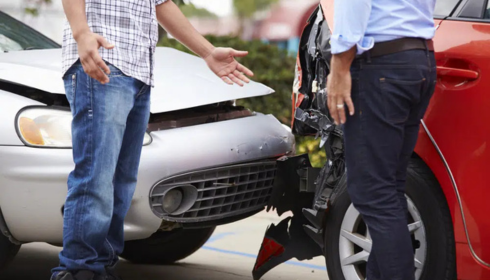
WHAT HAPPENS AFTER A MAJOR PHOENIX CAR CRASH WHEN FAULT IS DISPUTED

0

After a serious car crash in Phoenix, many injured drivers assume fault will be obvious. Vehicles may be heavily damaged, police respond, and medical treatment begins immediately. However, when a fault is disputed, the path forward becomes far more complex. A Top-Rated Phoenix injury law firm regularly sees cases where responsibility is contested even when injuries are severe, and the crash appears straightforward.
Fault disputes change nearly every aspect of an injury claim. Investigations become more detailed, insurance companies slow down negotiations, and injured people often face longer periods of uncertainty. Understanding how fault disputes unfold helps drivers protect themselves from mistakes that can weaken their position.
In Phoenix, disputed fault is especially common on busy roadways, during freeway crashes, and in situations involving multiple vehicles. Knowing what happens next allows injured drivers to make informed decisions during a stressful time.

Why is the fault frequently disputed after major Phoenix crashes

Fault disputes arise because insurers and drivers have financial incentives to minimize their own liability.
Even small shifts in fault percentages can significantly affect claim value under Arizona law.

• Multi-vehicle crashes create competing narratives about speed, lane position, and right-of-way. Each party may blame the other driver.
• Freeway collisions on Interstate 10, Loop 101, and State Route 51 often involve sudden slowdowns and chain reactions, making causation harder to pinpoint.
• Lane changes, merging traffic, and construction zones introduce ambiguity about who had the duty to yield.
• Distractions, fatigue, and weather conditions complicate determinations of driver behavior.

Because fault directly affects financial responsibility, disputes are common even in severe injury cases.

The role of police reports in disputed fault cases

Police reports play an important role, but do not always settle fault disputes.
In Phoenix, reports are prepared by the Phoenix Police Department or the Arizona Department of Public Safety, depending on the crash location.

• Officers document scene conditions, statements, and visible damage, but they may not witness the collision.
• Citations issued at the scene are not final determinations of fault for insurance or civil claims.
• Diagrams and narratives may omit critical details due to time constraints or safety concerns.
• Reports can take weeks to finalize in serious crashes requiring reconstruction.

Insurers often use police reports as a starting point, not a final answer.

How insurance companies investigate disputed crashes

When a fault is contested, insurance investigations expand significantly.
Adjusters look beyond basic reports to build arguments that support their coverage position.

• Traffic camera footage and nearby surveillance video are reviewed to reconstruct events.
• Vehicle data recorders may be analyzed to determine speed and braking.
• Witness statements are compared for consistency and credibility.
• Photographs of vehicle damage are used to argue impact angles and force.

These investigations often extend claim timelines and delay settlement discussions.

Comparative negligence and its impact on recovery

Arizona follows a pure comparative negligence system.
This means compensation is reduced by the injured driver’s percentage of fault.

• A driver found 20 percent responsible receives 80 percent of the awarded damages.
• Even minimal fault allocations can significantly reduce recovery in high-value cases.
• Insurers aggressively pursue partial fault arguments to limit payouts.
• Fault percentages are often negotiated rather than clearly established.

Understanding how comparative negligence works is critical when fault is disputed.

Medical evidence becomes more critical when the fault is unclear

When responsibility is contested, medical documentation carries additional weight.
Injuries help demonstrate the severity and mechanics of the crash.

• Emergency treatment records link injuries directly to the collision.
• Imaging studies show trauma consistent with high-force impacts.
• Specialist evaluations support claims of long-term impairment.
• Consistent treatment records strengthen credibility.

Hospitals such as Banner – University Medical Center Phoenix and St. Joseph’s Hospital and Medical Center often provide documentation critical to disputed cases.

Why does disputed fault delay settlement negotiations

Settlement discussions usually slow down when the fault is contested.
Insurers wait for more substantial leverage before making meaningful offers.

• Adjusters may delay negotiations until investigations are complete.
• Low initial offers may be used to test financial pressure.
• Counteroffers often require additional documentation.
• Multiple insurers may need to coordinate decisions.

These delays are common in Phoenix crashes involving serious injuries.

The influence of Phoenix traffic patterns on fault arguments

Local traffic conditions often shape fault disputes.
Phoenix roadways present unique challenges that insurers use to support their arguments.

• Stop-and-go traffic on I-10 increases rear-end collision disputes.
• Complex interchanges create uncertainty about lane priority.
• Construction zones introduce temporary signage and lane shifts.
• Heat-related fatigue may be cited as a driver error.

Understanding these patterns helps explain why disputes arise.

When multiple parties share responsibility

Some crashes involve more than two drivers or entities.
Responsibility may be divided among several parties.

• Multi-car pileups often involve layered fault assignments.
• Commercial vehicle cases may include drivers, carriers, and contractors.
• Roadway conditions may introduce additional liability considerations.
• Maintenance or signage issues can complicate responsibility.

Multiple responsible parties increase claim complexity and duration.

Litigation becomes more likely when fault is disputed

When negotiations stall, claims may move toward litigation.
Court involvement introduces formal procedures and timelines.

• Lawsuits are typically filed in Maricopa County Superior Court.
• Discovery allows both sides to exchange evidence.
• Depositions clarify conflicting accounts.
• Motions may resolve or narrow fault disputes.

Litigation often encourages more realistic settlement discussions.

Why early statements can harm disputed fault claims

Statements made shortly after a crash can have long-term consequences.
Injured drivers may unknowingly weaken their position.

• Casual comments can be interpreted as admissions of fault.
• Incomplete recollections may conflict with later evidence.
• Recorded statements lock in early narratives.
• Stress and injury can impair accuracy.

Caution during early communications is essential.

How local experience helps manage fault disputes

Local familiarity provides strategic advantages in disputed cases.
Understanding Phoenix roads, insurers, and courts adds context.

GLG Personal Injury Lawyer applies this local insight when addressing fault disputes, helping injured drivers navigate complex investigations and negotiations.

Steps drivers should take when a fault is disputed

Specific actions help protect claims during disputes.

• Seek immediate and consistent medical care.
• Document the scene and vehicle damage thoroughly.
• Obtain witness contact information.
• Avoid discussing fault with insurers prematurely.

These steps strengthen credibility and evidence.

Why patience matters in disputed fault cases

Disputed fault cases require time to resolve accurately.
Rushing often leads to unfavorable outcomes.
If you were injured in a crash where responsibility is contested, speaking with the best car accident lawyer in Phoenix who understands how disputed fault cases unfold can help you protect your recovery and navigate the process with confidence.

When a Routine Drive Turns Violent: Hidden Factors Behind Serious Car Crashes

0

A serious car crash often begins as an ordinary drive. Many people injured on Richmond roadways were commuting to work, heading home, or running errands when everything changed in seconds. Roads like Interstate 95, Broad Street, and the Powhite Parkway are familiar to local drivers, which can create a false sense of security and delayed reaction times when traffic conditions change suddenly.
Traffic throughout Richmond, VA, is shaped by commuter congestion, construction projects, and complex interchanges near Downtown Expressway exits and Midlothian Turnpike. These shifts often happen without warning, increasing the likelihood of high-impact collisions. After a violent crash, speaking with a Richmond, VA car accident lawyer can help identify the hidden factors that contributed to the crash while protecting critical evidence.
The Johnson Injury Firm regularly represents injured drivers and passengers who are left wondering how a routine trip could result in serious physical and financial consequences. Understanding these hidden causes helps clarify what happened and what steps should be taken.

Traffic congestion patterns that increase the impact force

Richmond’s roadway system blends high-speed corridors with dense urban traffic, which increases the risk of sudden braking and chain-reaction crashes. These collisions often result in more severe injuries due to the force involved.
• Sudden slowdowns on I-64 near Shockoe Bottom exits
• Morning and evening congestion on I-95 through downtown Richmond
• Abrupt traffic stacking caused by signal timing on Broad Street
• Lane reductions from construction zones on Chippenham Parkway
When drivers transition quickly from highway speeds to stopped traffic, rear-end and multi-vehicle collisions can cause lasting neck, spine, and head injuries.

How road design contributes to side-impact crashes

Intersections are a common location for serious collisions in Richmond. T-bone crashes are particularly dangerous because occupants have limited protection against direct side-impact forces.
Poor visibility, confusing traffic patterns, and inconsistent signal placement contribute to these incidents, especially along Hull Street Road and Laburnum Avenue, where traffic volumes are high.
• Obstructed sightlines from roadside development
• Outdated or poorly positioned traffic signals
• High pedestrian and bicycle traffic near urban corridors
• One-way street patterns that confuse non-local drivers
Side-impact crashes frequently result in fractures, internal injuries, and long recovery periods that disrupt daily life.

Vehicle size mismatch and modern traffic risks

Another overlooked factor in violent crashes is the growing mix of vehicle sizes on Richmond roads. Compact cars, SUVs, delivery vans, and commercial trucks share the same lanes, yet have vastly different safety profiles.
When a smaller vehicle is struck by a larger one, the force transfer is uneven, significantly increasing the risk of injury even at moderate speeds.
Increased rideshare and delivery traffic throughout the city
• Commercial vehicles traveling through residential neighborhoods
• Higher bumper profiles on SUVs override safety structures
• Compatibility issues between older and newer vehicle designs
These dynamics often complicate injury claims, particularly when multiple insurance policies apply.

Weather conditions are unique to central Virginia

Weather-related crashes in Richmond do not require severe storms. Light rain can create slick roads due to oil buildup, and fog near the James River frequently reduces visibility during early morning hours.
Drivers unfamiliar with these localized conditions may not adjust speed or following distance appropriately.
• Reduced traction on bridges and overpasses
• Fog near river crossings and low-lying areas
• Longer stopping distances during sudden rain showers
• Sun glare during east-west travel on city streets
These conditions are often underestimated during insurance evaluations.

Delayed injury symptoms after violent crashes

One of the most dangerous aspects of serious car crashes is delayed injury onset. Adrenaline can mask pain, leading injured individuals to believe they are unharmed at the scene.
Symptoms may appear days or weeks later, complicating both medical treatment and insurance disputes.
• Soft tissue injuries that worsen over time
• Concussions with delayed cognitive symptoms
• Spinal injuries that develop after inflammation increases
• Internal injuries not detected during initial examinations
Early medical documentation plays a critical role in protecting long-term recovery options.

Insurance practices after high-impact crashes

Insurance companies often act quickly after violent collisions. Early outreach may seem helpful, but it is usually aimed at limiting financial exposure rather than understanding the full impact of injuries.
Virginia’s contributory negligence rules make early statements especially risky.
• Requests for recorded statements shortly after the crash
• Pressure to accept early settlement offers
• Disputes over the necessity of continued treatment
• Challenges involving uninsured or underinsured drivers
Understanding these practices helps injured individuals avoid costly missteps.

The role of local courts and documentation

Car accident claims in Richmond may be handled in the Richmond General District Court or the Circuit Court, depending on the amount of damages involved. Each court follows procedures that influence timelines and outcomes.
Police reports, medical records, and witness statements are essential, particularly for crashes on state-maintained roadways.
• Differences in police jurisdiction within city limits
• Filing thresholds that determine court venue
• Importance of preserving evidence early
• Scheduling influenced by court calendars
Local procedural details often shape case outcomes more than expected.

Steps to take after a violent car crash

Actions taken in the days following a serious crash can significantly affect recovery and accountability. Even when injuries appear manageable, careful documentation matters.
• Seek medical evaluation even if symptoms seem mild
• Photograph vehicles, road conditions, and visible injuries
• Obtain a copy of the official crash report
• Limit discussions with insurers until options are clear
These steps help establish a clear record and reduce future disputes.

How The Johnson Injury Firm approaches severe crash cases

The Johnson Injury Firm focuses on uncovering the whole story behind violent collisions by examining roadway conditions, traffic flow, and insurance practices specific to Richmond, VA.
By identifying both visible and hidden factors, the firm helps injured individuals understand their situation and make informed decisions. A routine drive should not result in lasting harm, and when it does, speaking with a Richmond, VA car accident lawyer can help clarify your options. Contact The Johnson Injury Firm to discuss your situation and take the next step toward protecting your future.

Promotion Disputes: Seniority vs Merit in Service Law Cases

0

Jobs me promotion disputes bohot common hain – “mujhse junior promote ho gaya”, “merit list unfair thi”, “roster galat apply हुआ”. Law yaha rules, notifications, promotion policies and seniority lists pe heavily depend karta hai.

Kuch services strictly seniority-cum-fitness model follow karte hain – jisme senior ko preference hoti hai, provided basic fitness criteria meet ho. Others merit-cum-seniority ya pure merit-based competitive exams adopt karte hain. Employer ko jo model notified rules ke through choose kiya hai, wahi follow karna hota hai.

Promotion challenge strong tab hota hai jab:

  • Rules ke against selection kiya gaya,
  • Eligible persons ko without reason bypass kiya,
  • Favouritism, mala fide, manipulation ka clear pattern ho,
  • Reservation roster, qualifications ya experience criteria galat apply hua.

Courts normally expert committees ke assessment me ghusna nahi chahte, but clear illegality pe interference possible hai. Time limitation yaha bhi important hai – result aane ke baad lambe delay se challenge weak pad jata hai.

Departmental Enquiry: Basic Rights of an Employee Facing Misconduct Charges

0

Jab government ya large organisations kisi employee pe misconduct allegation lagati hain, to departmental enquiry ka process follow hota hai. Ye criminal trial nahi, but natural justice ke principles se governed quasi-judicial proceeding hai.

Basic rights:

  • Clear charge-sheet jisme accusations specific hon,
  • Reasonable time to reply and prepare defence,
  • Documents and evidence ka access,
  • Witnesses ko cross-examine karne ka chance,
  • Apna defence evidence/witnesses present karne ka right,
  • Speaking order – jisme enquiry officer reasoned findings likhe.

Ex parte enquiry (employee present nahi hota) extreme situations me ho sakti hai, but tab bhi minimum fairness expected hoti hai. Punishment proportionate hona chahiye – minor lapse pe extreme penalty courts me sustain nahi hoti.

Employee ke liye sabse important cheez: written communication, attendance, objections, representation sab ka record maintain karna. Later jab case tribunal/court me jata hai, wahi papers aapka shield banenge.

Transfer Policies in Government Service: When Employees Can Challenge Transfers

0

Government jobs me transfer ek normal incident of service maana jata hai – matlab employee ko kabhi bhi, anywhere send kiya ja sakta hai as per policy. Courts generally interfere nahi karna chahte, kyunki posting administrative domain hai.

Lekin kuch situations me transfer legally challengeable ban sakta hai:

  • If it is clearly mala fide (punishment in disguise) – jaise complaint ke baad turant remote posting,
  • Policy violation – tenure complete hue bina, spouse posting rules ignore karna, medical hardship ignore karna,
  • Competent authority ke bina order pass karna.

Employee yeh dikhane ki koshish karta hai ki order public interest nahi, personal vendetta ya political pressure ka result hai. Proof tough hota hai, but emails, timing, pattern, previous record etc. help kar sakte hain.

Before court, internal representation, association support, and department appeal route try karna advisable hai. Writ petition last but strong option hai.

Transfer protection absolute nahi, lekin completely unregulated bhi nahi.

Mutation of Property Records After Purchase or Inheritance

0

Property purchase ya inheritance ke baad kaam khatam nahi hota. Mutation next important step hai – jisse local revenue/municipal records me naye owner ka naam update hota hai. Mutation se aapko legal title nahi milta (wo deed se aata hai), lekin ye tax, utility, future transfer, loan ke liye practical proof ka kaam karta hai.

Mutation ke liye usually sale deed / succession papers, application form, previous tax receipts, sometimes NOC submit karne hote hain. Authority verification ke baad record update karti hai and new tax bills aapke naam pe generate hone lagte hain.

Mutation na karne se problem tab aati hai jab aap property sell, gift, mortgage karna chaho. Old owner ke naam ke records confusion create karte hain, kabhi-kabhi fraud bhi easy ho jata hai (jaise kisi ne old owner ke forged signature se deal kar li).

Heirship cases me family arrangement, succession certificate, legal heirship documents support ka kaam karte hain. Timely mutation future disputes ko pre-empt kar deta hai.

Lease vs Licence: Choosing the Right Document for Renting Property

0

Property rent/occupy karne me Lease aur Licence ka difference bohot critical hai. Lease generally lessee ko interest in property deta hai – fixed term, exclusive possession, relatively secure rights. Licence sirf permission deta hai kisi cheez ka use karne ka, bina proprietary interest ke.

Landlord log licence prefer karte hain paying guest, hostels, shared offices ke cases me, taaki tenancy rights ka risk kam ho. Tenants/occupants long-term residential/commercial security ke liye proper lease chahte hain.

Courts language se zyada substance dekhti hain – sirf document ka title “Licence” likhne se wo licence nahi ho jata, agar actually exclusive possession, fixed rent, long term control diya gaya ho. Disputes me phir tenancy protection laws apply ho sakte hain.

Short-term flexible arrangements, co-working, PG, service apartments – licence model practical hai. Standard flat rental, shops, warehouses – lease structure zyada clean rehta hai.

Draft karte waqt future exit, eviction, renewal, rent hike, deposit refund sab clearly likhna must hai.

RERA Basics: Homebuyer Rights Against Delayed Possession by Builders

0

Real estate me homebuyers ka sabse bada dard hai delayed possession. Is problem ko tackle karne ke liye hi RERA framework laya gaya, jisse projects/register builders ko accountability me laya ja sake.

RERA ke under builder ko project details, timelines, approvals, carpet area, escrow account, etc. transparently declare karne hote hain. Delay hone pe buyer ke paas options hote hain – refund with interest demand karna, ya continue rehkar compensation + interest claim karna (specific provisions vary).

RERA authority fast-track forum provide karti hai jaha buyer individually ya group me complaint file kar sakta hai. Traditional civil suit ke comparison me process structured and relatively faster hai.

Builder funds ko project ke bahar divert nahi kar sakta certain limits ke beyond. Advertisement me promised cheezein agreement me reflect honi chahiye.

Flat kharidte waqt RERA registration number check karna, agreement clauses detail me padhna, aur promotor ki compliance history dekhna basic due diligence hai. Law aaj buyer ke side zyada tilted hai compared to old days – bas use karna seekhna hai.

Legally Valid E-Contracts: How Online Agreements Get Enforceability

0

Aaj kal business, freelancing, SaaS, e-commerce sab e-contracts pe chal rahe hain – click-wrap, email acceptance, digital signatures. Law generally kehta hai ki electronic medium bhi valid hai, as long as basic contract essentials present hon: offer, acceptance, consideration, intention.

“Terms & Conditions – I Agree” pe click karna bhi acceptance maana ja sakta hai, provided terms accessible and reasonably clear ho. Email exchange jahan dono parties scope, price, timelines discuss karte hain and act accordingly – wo bhi contract proof ban sakta hai.

Legally stronger e-contracts ke liye:

  • Clear identification of parties,
  • Full terms easily downloadable/ printable,
  • Audit trail – IP, timestamp, logs,
  • Digital signature (in some use-cases) helpful.

Disputes me court dekhega ki kya reasonable person yeh samajh sakta tha ki contract bana hai. Hidden clauses, unfair terms, misleading design (dark patterns) judge ke nazar me negative point ban sakte hain.

Offline ya online – contract ki soul clarity, consent and fairness me hi hai.